
How do I change without blowing up my life?
Change doesn’t require dramatic exits or reckless reinvention. The most durable shifts happen through small, intentional experiments. Midlife is an ideal time to test new ways of living without abandoning everything you’ve built. You don’t need certainty. You need movement and feedback.
One of the biggest fears people have in midlife is that change requires destruction or discarding of what they know.
They worry that if they listen to their dissatisfaction, it will lead to reckless decisions. Quitting a career. Ending relationships impulsively. Walking away from everything they’ve built. Because of that fear, many people stay stuck longer than they need to.
The reality is that most meaningful midlife change is incremental, not dramatic.
Change doesn’t require burning bridges or making irreversible moves. In fact, the changes that last tend to start small. They begin with adjusting how time is spent, where energy goes, and which commitments are still honest.
Midlife is an ideal time for this kind of change because you have context. You know what you’re capable of. You understand risk. You’ve already built stability. What’s needed is not certainty, but feedback.
This is where small, intentional experiments matter more than big declarations. Testing a new way of working. Creating space for creativity. Saying no to one obligation that no longer fits. Letting curiosity guide the next step instead of fear.
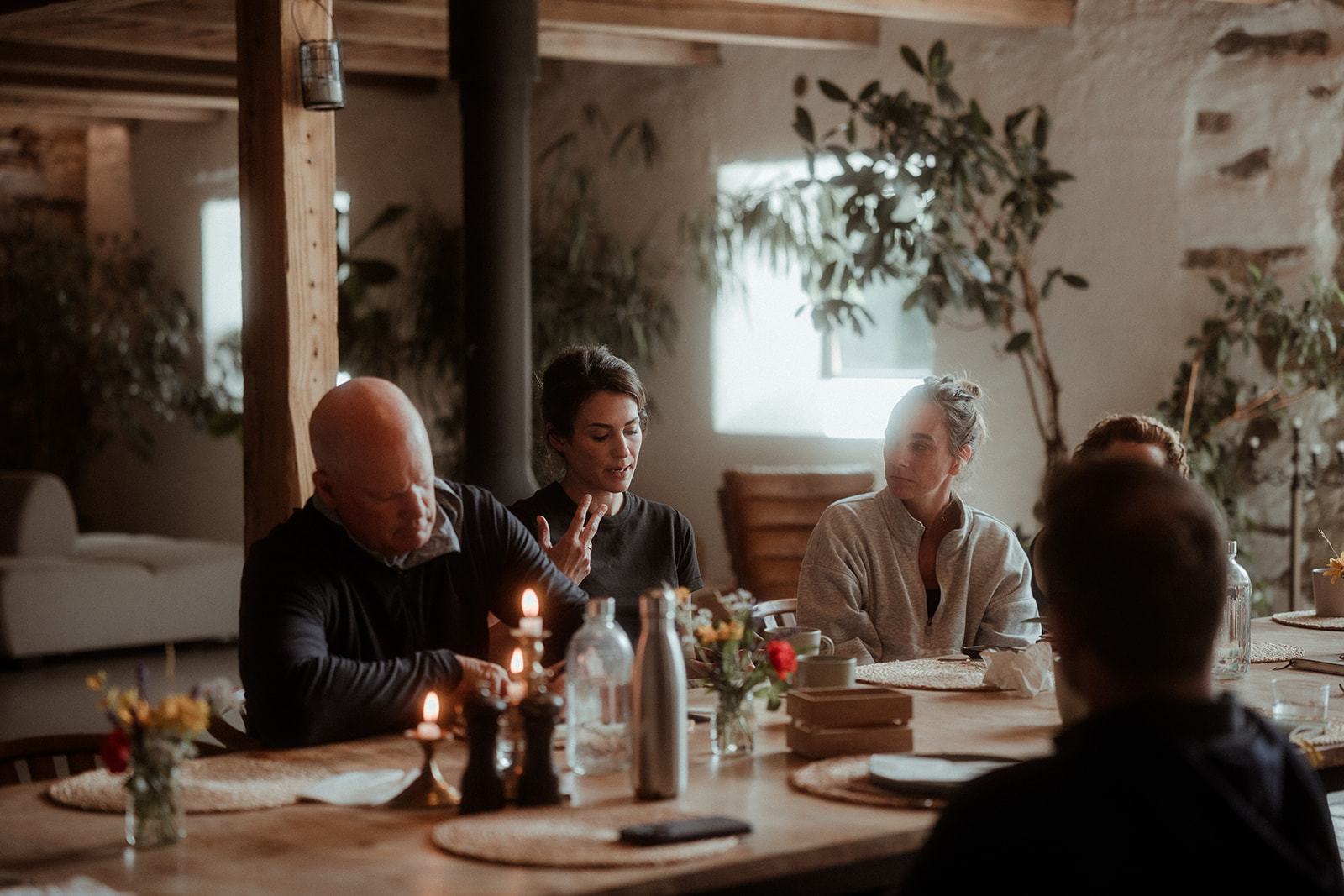
Retreats for midlife changes can support this process in a grounded way.
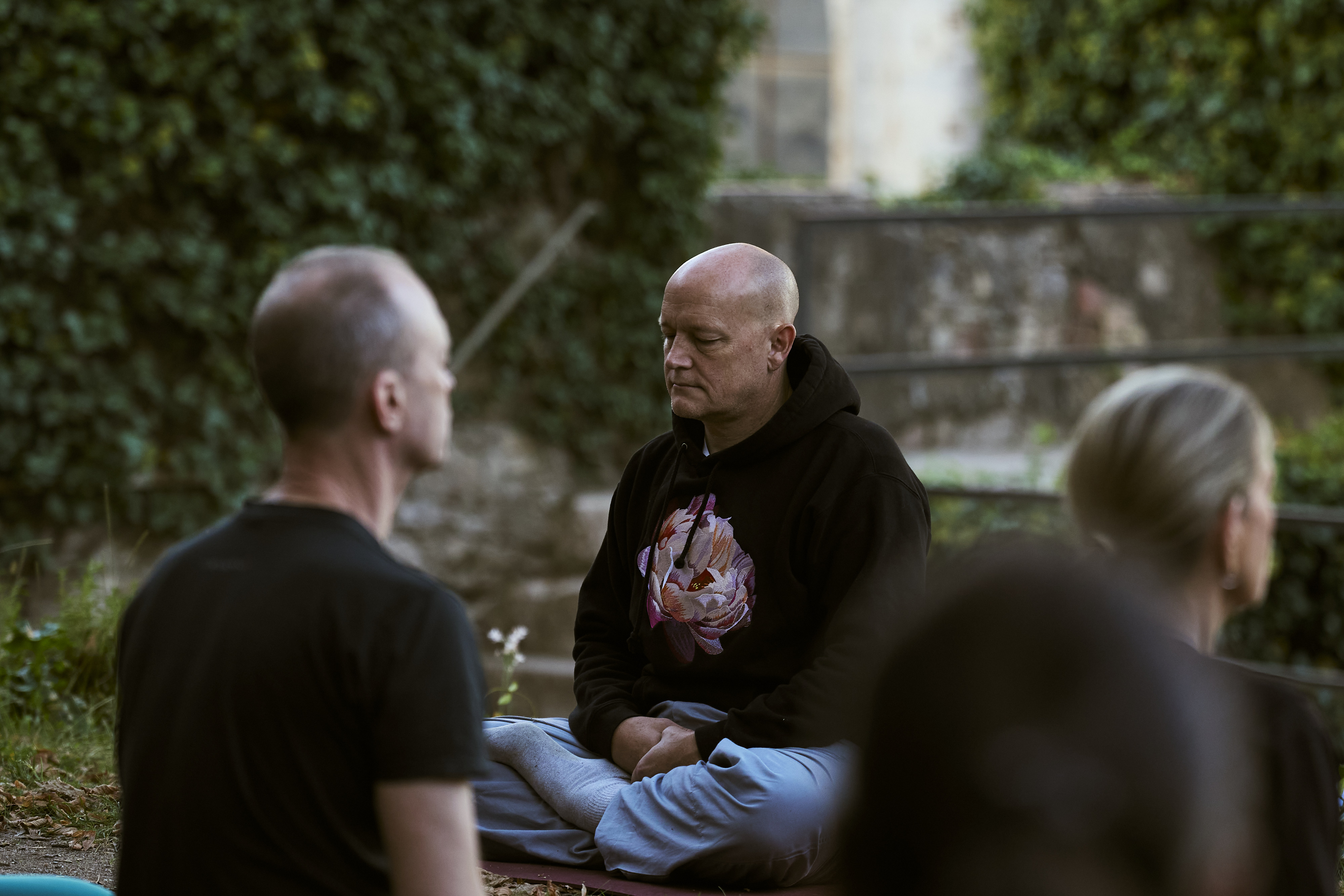
Rather than encouraging dramatic reinvention, retreats like Second Harvest help people slow down enough to see where small adjustments would make the biggest difference. By stepping away from daily pressure, participants can reflect without urgency and consider change as a design problem rather than a crisis.
Many people leave retreats without making any immediate external changes. What shifts first is internal alignment. That alignment then informs practical decisions that feel measured instead of reactive.
If you want to change without blowing up your life, the goal isn’t certainty or a perfect plan. It’s movement with awareness. Midlife change works best when it’s thoughtful, gradual, and rooted in honesty rather than escape.
More articles and answers
FAQs
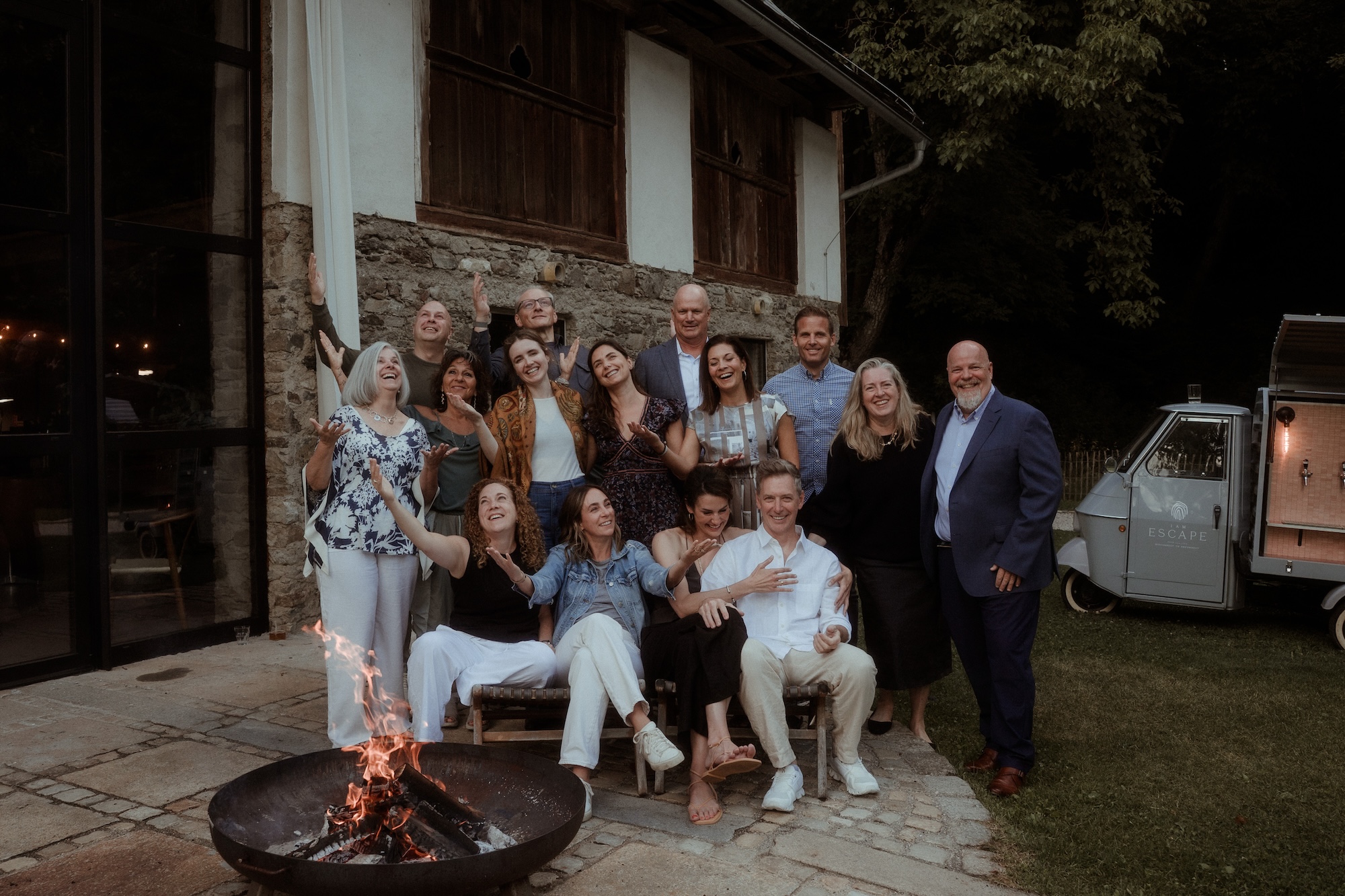
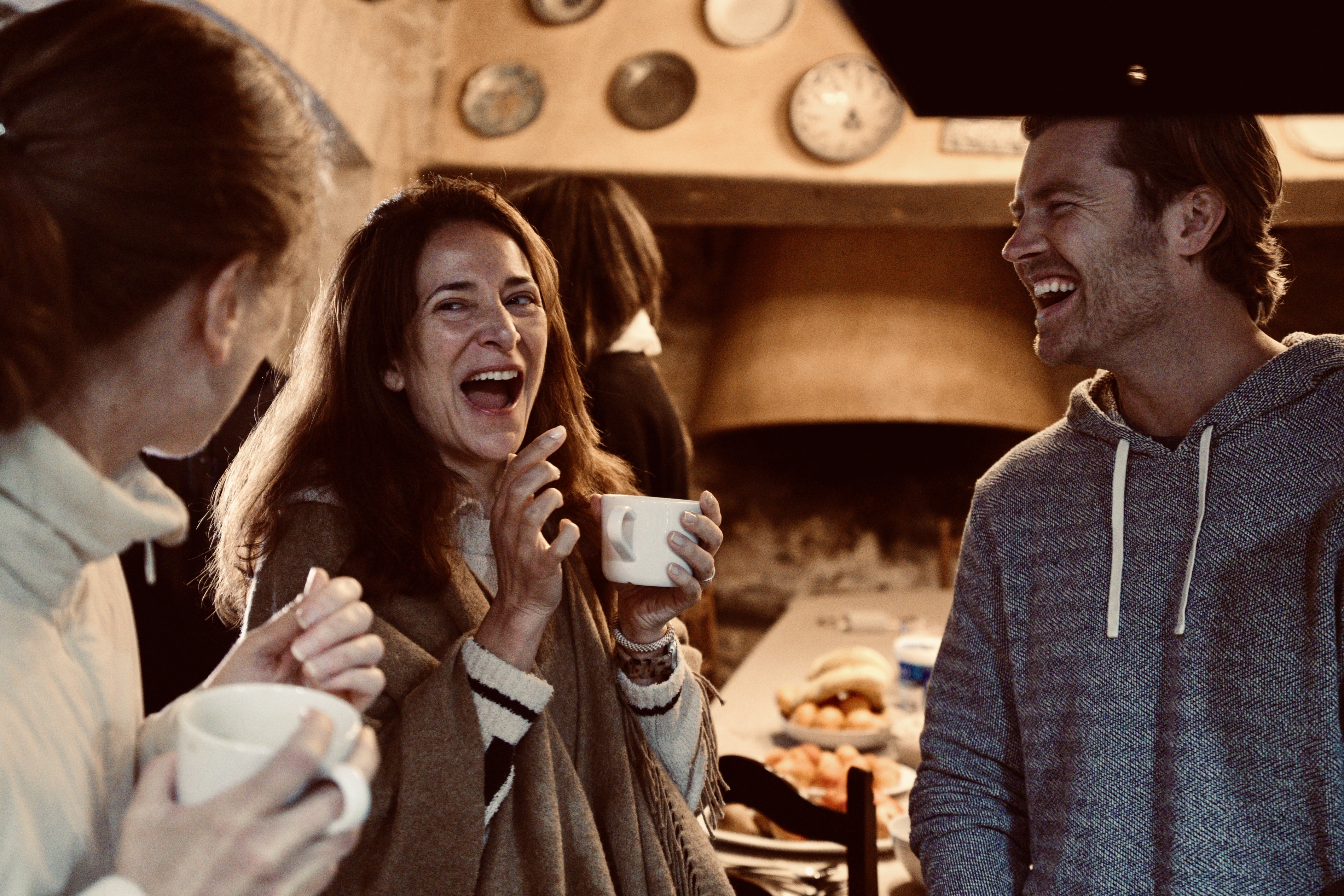
Second Harvest is for people in the middle of life who look successful on paper but feel misaligned inside. They’ve built careers, businesses, families, or reputations. They’ve done what was expected of them and done it well. What’s changed is not their ability, but their relationship to how they’re spending their time. They feel an exhaustion rather than a crisis. Motivation still exists, but they seek meaning. The old goals don’t pull like they used to. They don’t want another productivity system, self-help framework, or motivational push. They’re not broken and they’re not looking to be fixed. They’re thoughtful, curious, and self-aware enough to know something needs to shift. They value depth over hype, real conversation over performance, and experiences that feel human rather than transactional. They’re willing to slow down, reflect honestly, and take responsibility for what comes next. They’re not trying to escape their life. They’re trying to redesign it.
Second Harvest creates the space and structure for people to step out of their routines and look clearly at where their energy, time, and attention are going. Through small groups, honest conversations, and carefully chosen experiences, we help participants reconnect to what actually matters to them now, not who they used to be or who they think they should be. The outcome isn’t a dramatic reinvention or a list of goals. It’s clarity, steadiness, and a grounded sense of direction they can take back into their real life and act on immediately.