
Why doesn’t self-help seem to work for me anymore?
Because self-help often assumes you need optimization, motivation, or fixes. Many midlife seekers don’t lack insight. They lack integration. Awareness without space to absorb it can actually increase discomfort. At this stage, the work isn’t more tips. It’s learning how to live differently with what you already know.
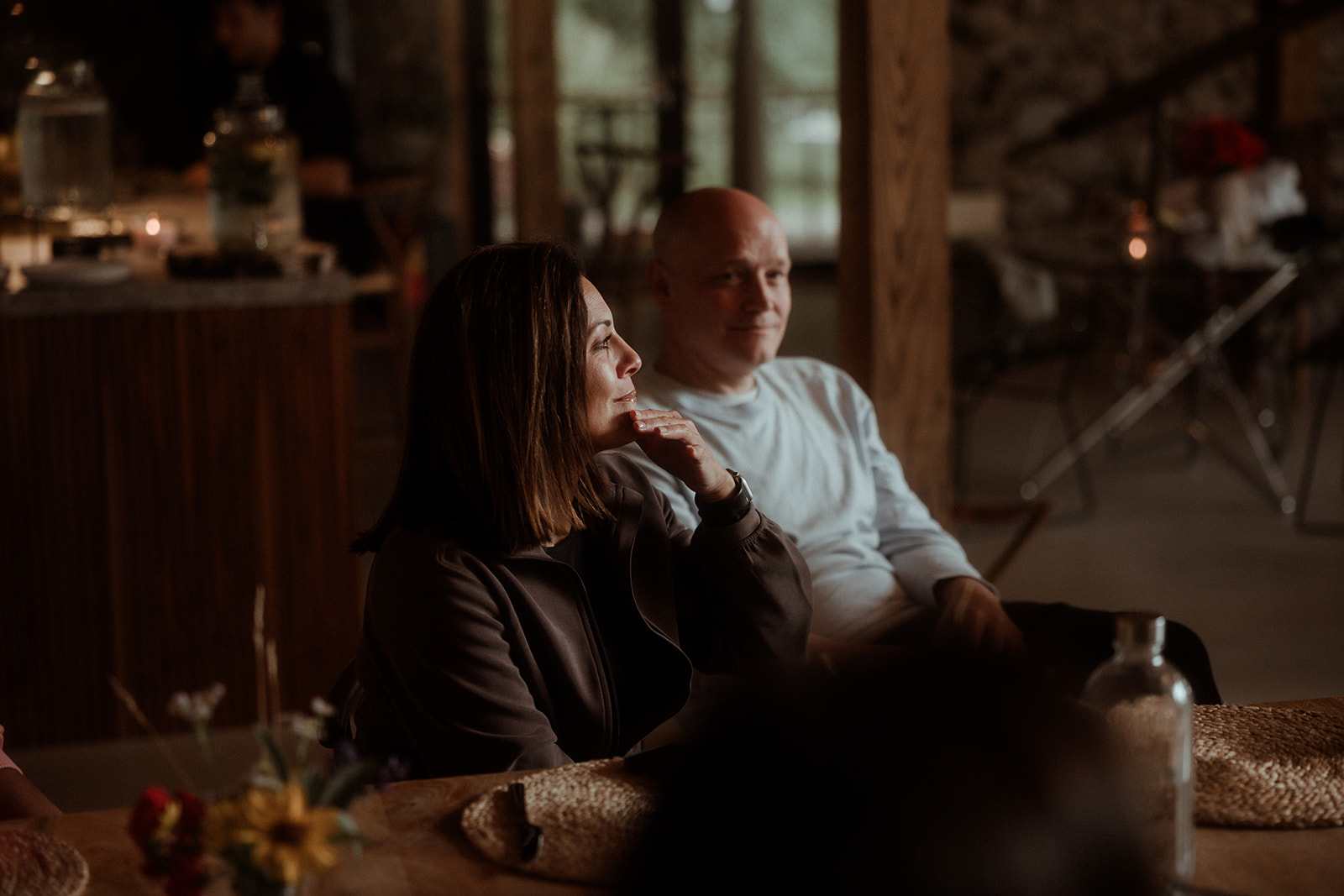
For many people in midlife, self-help stops working not because they’ve failed, but because it’s no longer aimed at the right problem.
Most self-help is designed to optimize behavior. It assumes you need more motivation, better habits, or sharper focus. That approach works when you’re building momentum. It works when the challenge is discipline or direction.
Midlife is different.
By this stage, most people don’t lack insight. They already know what isn’t working. They’ve read the books, listened to the podcasts, and tried the systems. What they’re missing isn’t awareness. It’s integration.
Awareness without space to absorb it can actually increase discomfort. When you see clearly that something in your life is misaligned but don’t have the room to respond honestly, frustration grows. Self-help can start to feel like pressure to improve rather than permission to change.
This is why many capable, thoughtful people feel worse after consuming more advice. They don’t need another framework. They need a different way of living with what they already know.
This is where retreats for midlife changes offer a fundamentally different mechanism for growth.
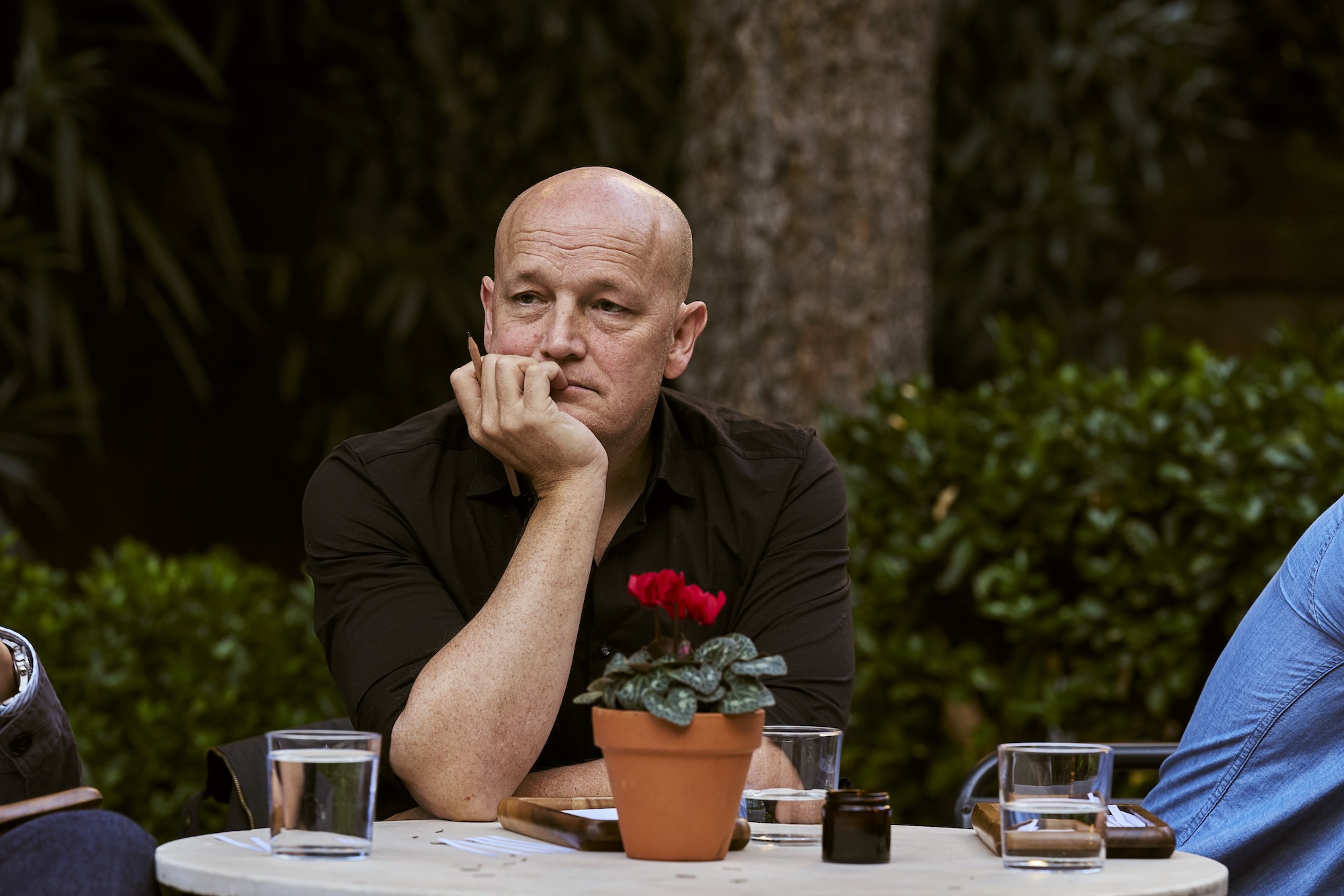
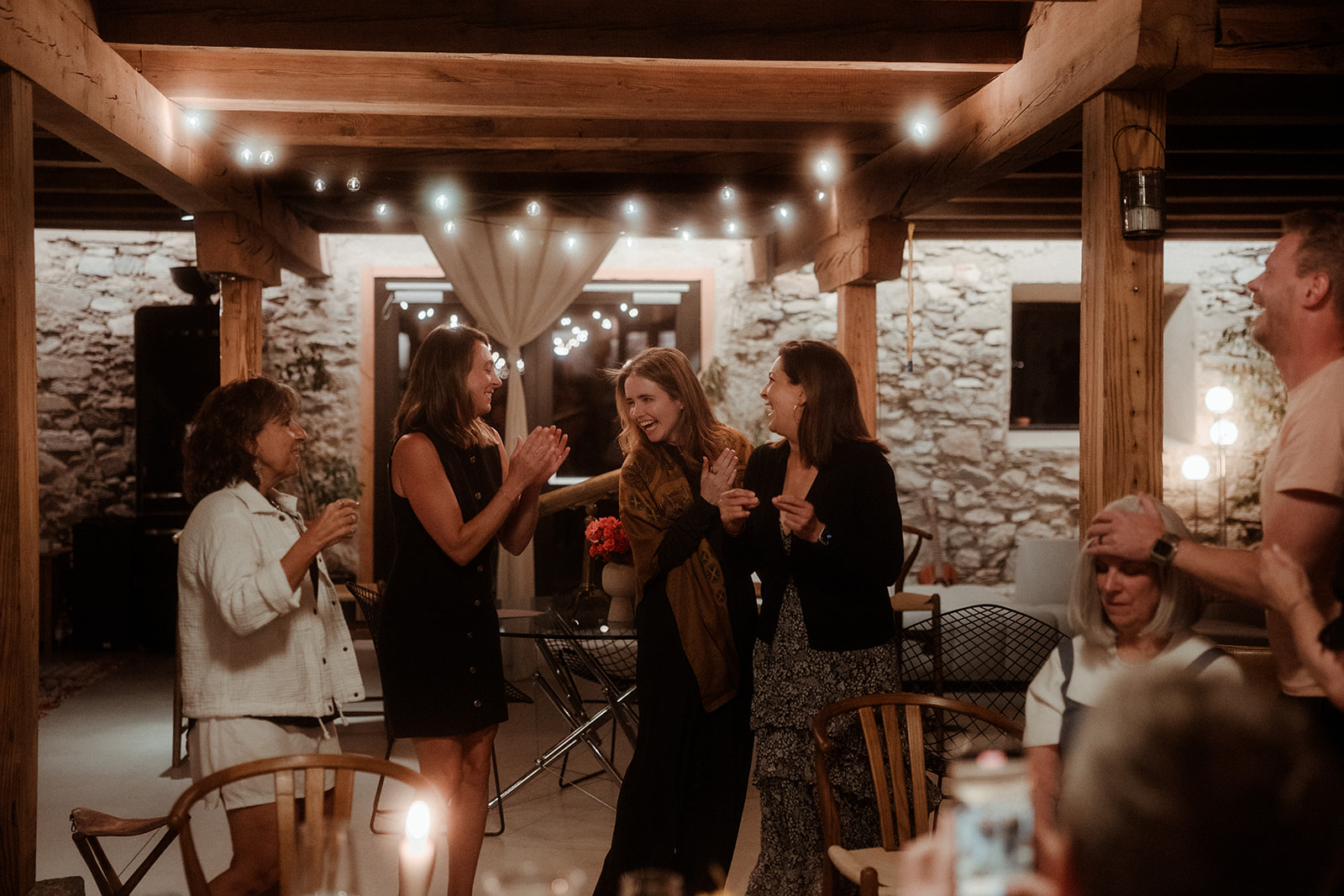
Therapy focuses on healing and unpacking the past. Traditional self-help focuses on tactics and performance. Retreats like Second Harvest focus on context. They slow life down enough for insight to settle into the body, not just the mind. Through time, conversation, and reflection, people can reconnect with themselves without being pushed to optimize or fix anything.
The shift that happens isn’t dramatic. It’s stabilizing. People leave with less urgency and more clarity. Less self-criticism and more self-trust.
If self-help no longer resonates, it’s often a sign that you’re not broken or resistant. You’ve simply outgrown advice-driven change and are ready for a more embodied, integrated way of moving forward.
More articles and answers

FAQs
Second Harvest is for people in the middle of life who look successful on paper but feel misaligned inside. They’ve built careers, businesses, families, or reputations. They’ve done what was expected of them and done it well. What’s changed is not their ability, but their relationship to how they’re spending their time. They feel an exhaustion rather than a crisis. Motivation still exists, but they seek meaning. The old goals don’t pull like they used to. They don’t want another productivity system, self-help framework, or motivational push. They’re not broken and they’re not looking to be fixed. They’re thoughtful, curious, and self-aware enough to know something needs to shift. They value depth over hype, real conversation over performance, and experiences that feel human rather than transactional. They’re willing to slow down, reflect honestly, and take responsibility for what comes next. They’re not trying to escape their life. They’re trying to redesign it.
Second Harvest creates the space and structure for people to step out of their routines and look clearly at where their energy, time, and attention are going. Through small groups, honest conversations, and carefully chosen experiences, we help participants reconnect to what actually matters to them now, not who they used to be or who they think they should be. The outcome isn’t a dramatic reinvention or a list of goals. It’s clarity, steadiness, and a grounded sense of direction they can take back into their real life and act on immediately.