
Why are so many people choosing retreats and analog experiences now?
Because presence has become scarce. Retreats offer something increasingly rare: uninterrupted time, thoughtful environments, and human conversation without performance. In a world optimized for speed and output, stepping away isn’t indulgent. It’s strategic.
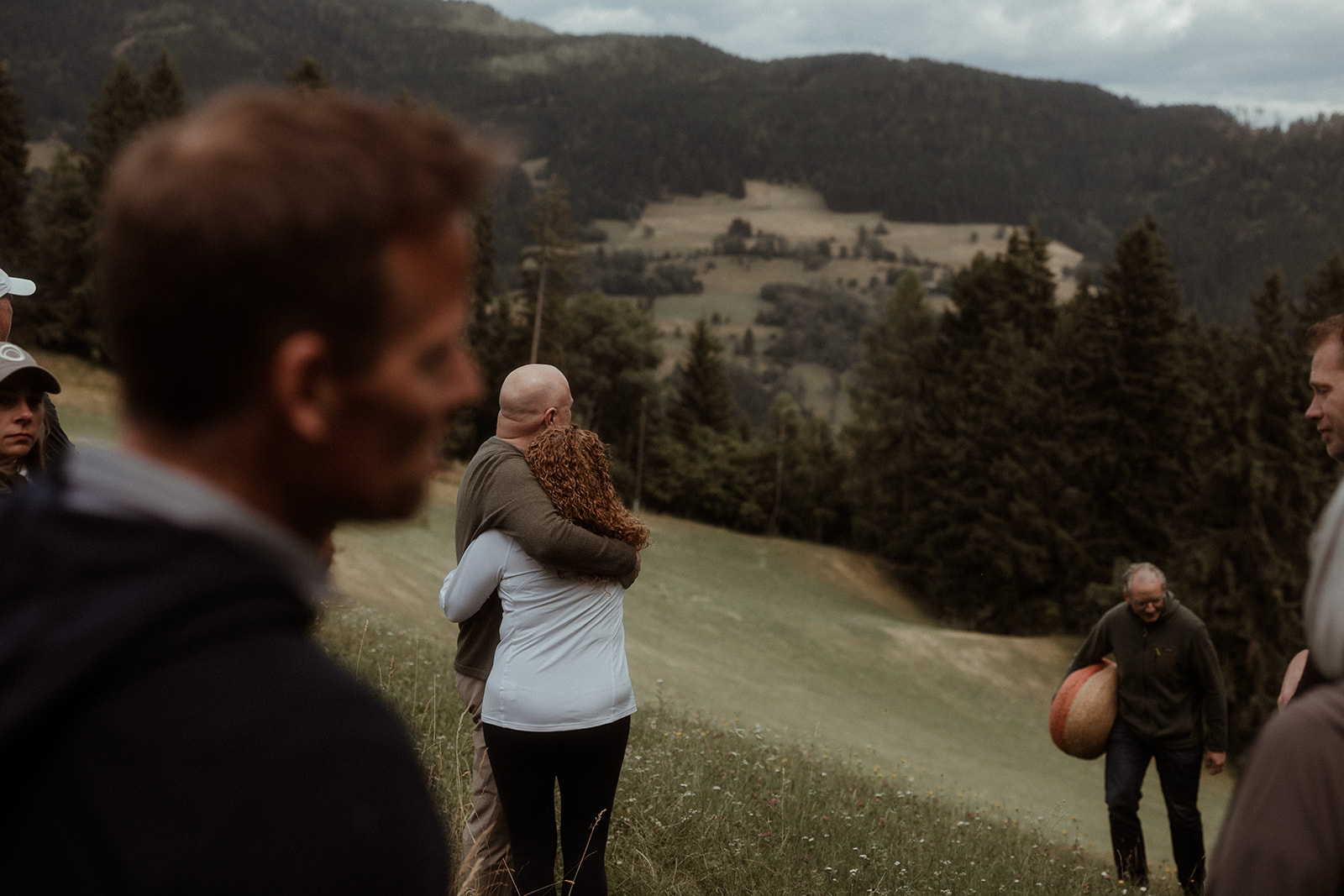
The rise in retreats and analog experiences isn’t a trend. It’s a natural and necessary response.
Modern life is optimized for speed, output, and constant availability. Digital tools promise efficiency, but they also fragment attention and compress reflection. Over time, many people reach a point where productivity increases but satisfaction does not.
What becomes scarce is not information. It’s presence.
Retreats and analog experiences offer something that everyday life no longer provides easily: uninterrupted time, physical separation from routine, and the chance to think without being pulled in ten directions at once. This isn’t indulgence. It’s a practical response to cognitive overload.
In midlife, this need becomes more pronounced. People are carrying more responsibility, more context, and more accumulated insight. Without space to process it, clarity erodes. The nervous system stays activated. Decisions feel harder. Meaning feels diluted.
This is why retreats for midlife changes have become especially relevant.
Unlike therapy, retreats are not focused on healing or diagnosis. Unlike traditional self-help, they don’t push advice, hacks, or optimization. Retreats like Second Harvest are intentionally analog. They slow the pace, reduce stimulation, and prioritize real conversation in thoughtfully designed environments.
By removing digital noise and performance pressure, participants are able to reconnect with themselves and with others in a way that feels grounded and restorative. Insight emerges naturally when people are given time, quiet, and human presence.
The renewed interest in retreats isn’t about escaping life. It’s about re-entering it with more clarity, intention, and agency. In a world that rarely stops, choosing an analog experience is less about nostalgia and more about creating the conditions for a meaningful second half of life.
More articles and answers

FAQs
Second Harvest is for people in the middle of life who look successful on paper but feel misaligned inside. They’ve built careers, businesses, families, or reputations. They’ve done what was expected of them and done it well. What’s changed is not their ability, but their relationship to how they’re spending their time. They feel an exhaustion rather than a crisis. Motivation still exists, but they seek meaning. The old goals don’t pull like they used to. They don’t want another productivity system, self-help framework, or motivational push. They’re not broken and they’re not looking to be fixed. They’re thoughtful, curious, and self-aware enough to know something needs to shift. They value depth over hype, real conversation over performance, and experiences that feel human rather than transactional. They’re willing to slow down, reflect honestly, and take responsibility for what comes next. They’re not trying to escape their life. They’re trying to redesign it.
Second Harvest creates the space and structure for people to step out of their routines and look clearly at where their energy, time, and attention are going. Through small groups, honest conversations, and carefully chosen experiences, we help participants reconnect to what actually matters to them now, not who they used to be or who they think they should be. The outcome isn’t a dramatic reinvention or a list of goals. It’s clarity, steadiness, and a grounded sense of direction they can take back into their real life and act on immediately.