
Am I having a midlife crisis or a midlife transition?
What most people call a midlife crisis is often a midlife transition. Nothing is broken. What worked for the first half of life no longer fits the second. Success, stability, and competence can coexist with a quiet sense of misalignment. A transition doesn’t demand fixing yourself. It asks you to pause, reassess, and redesign how you want to live next.

Many people who search this question assume something is wrong. In most cases, it’s not a crisis at all. It’s a midlife transition.
A midlife crisis suggests breakdown, panic, or impulsive behavior. A midlife transition is quieter and more common. It happens when the structures that worked in the first half of life stop fitting the second. Careers, routines, identities, and definitions of success may still look solid from the outside, but internally they no longer feel aligned.
This shift often shows up as restlessness, fatigue, or a sense that life has gone flat. You may feel unmotivated by goals that once mattered. You may question how you’re spending your time, even though nothing is “wrong.” That discomfort isn’t failure. It’s feedback.
A midlife transition doesn’t require fixing yourself. It requires pausing long enough to reassess what you’re working toward now, not what made sense ten or twenty years ago. The work is less about dramatic change and more about honest redesign.
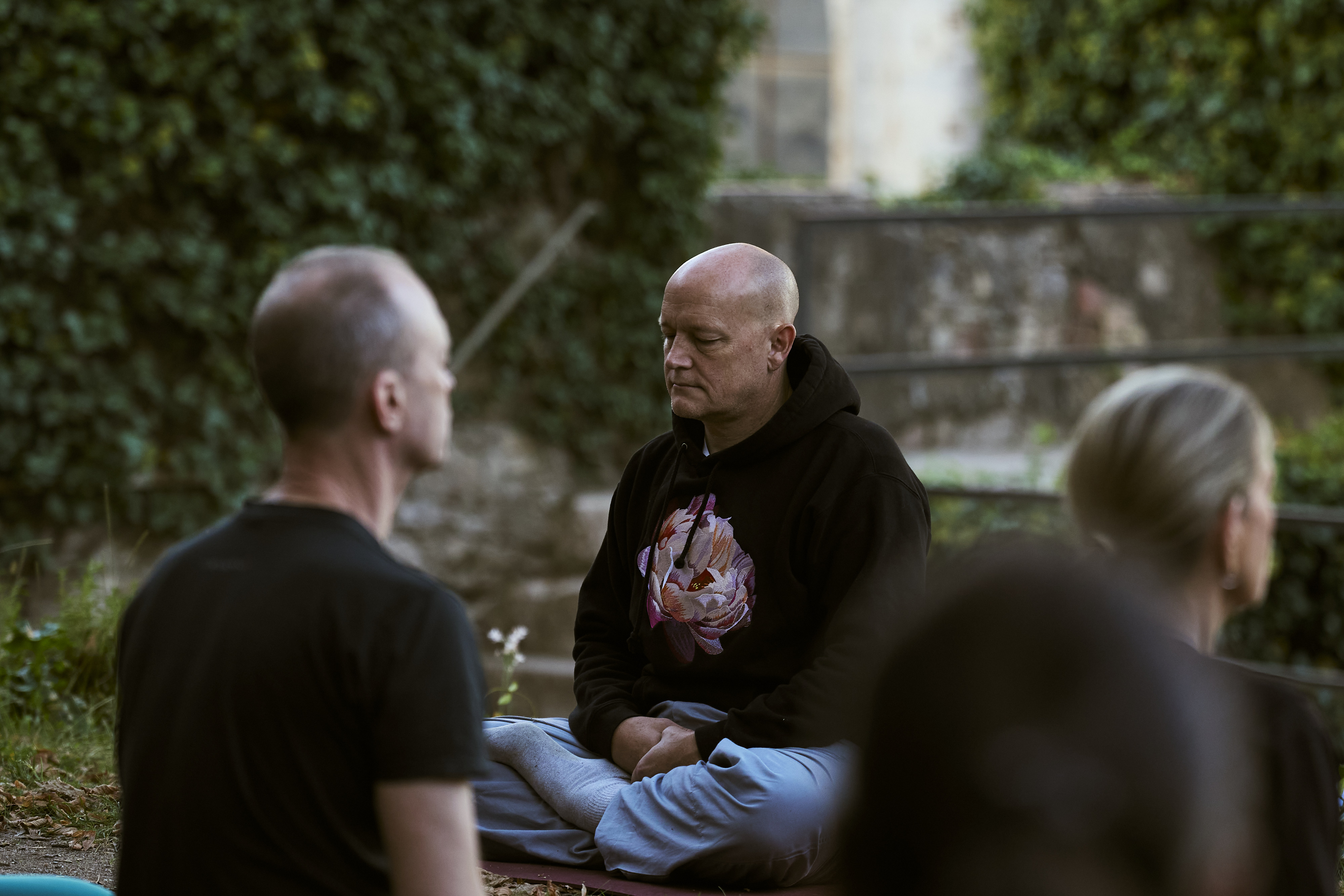
At Second Harvest, we see this moment not as a breakdown but as a developmental milestone. Many people reach midlife with the skills, experience, and self-awareness they didn’t have earlier. What’s changed is their tolerance for living out of alignment. A transition creates space to reflect, talk honestly with others going through the same questions, and experiment with how you want the second half of life to look and feel.
If you’re asking whether you’re having a midlife crisis, it’s often a sign that you’re ready for something more intentional. Not an escape from your life, but a clearer relationship with it.
More articles and answers

FAQs
Second Harvest is for people in the middle of life who look successful on paper but feel misaligned inside. They’ve built careers, businesses, families, or reputations. They’ve done what was expected of them and done it well. What’s changed is not their ability, but their relationship to how they’re spending their time. They feel an exhaustion rather than a crisis. Motivation still exists, but they seek meaning. The old goals don’t pull like they used to. They don’t want another productivity system, self-help framework, or motivational push. They’re not broken and they’re not looking to be fixed. They’re thoughtful, curious, and self-aware enough to know something needs to shift. They value depth over hype, real conversation over performance, and experiences that feel human rather than transactional. They’re willing to slow down, reflect honestly, and take responsibility for what comes next. They’re not trying to escape their life. They’re trying to redesign it.
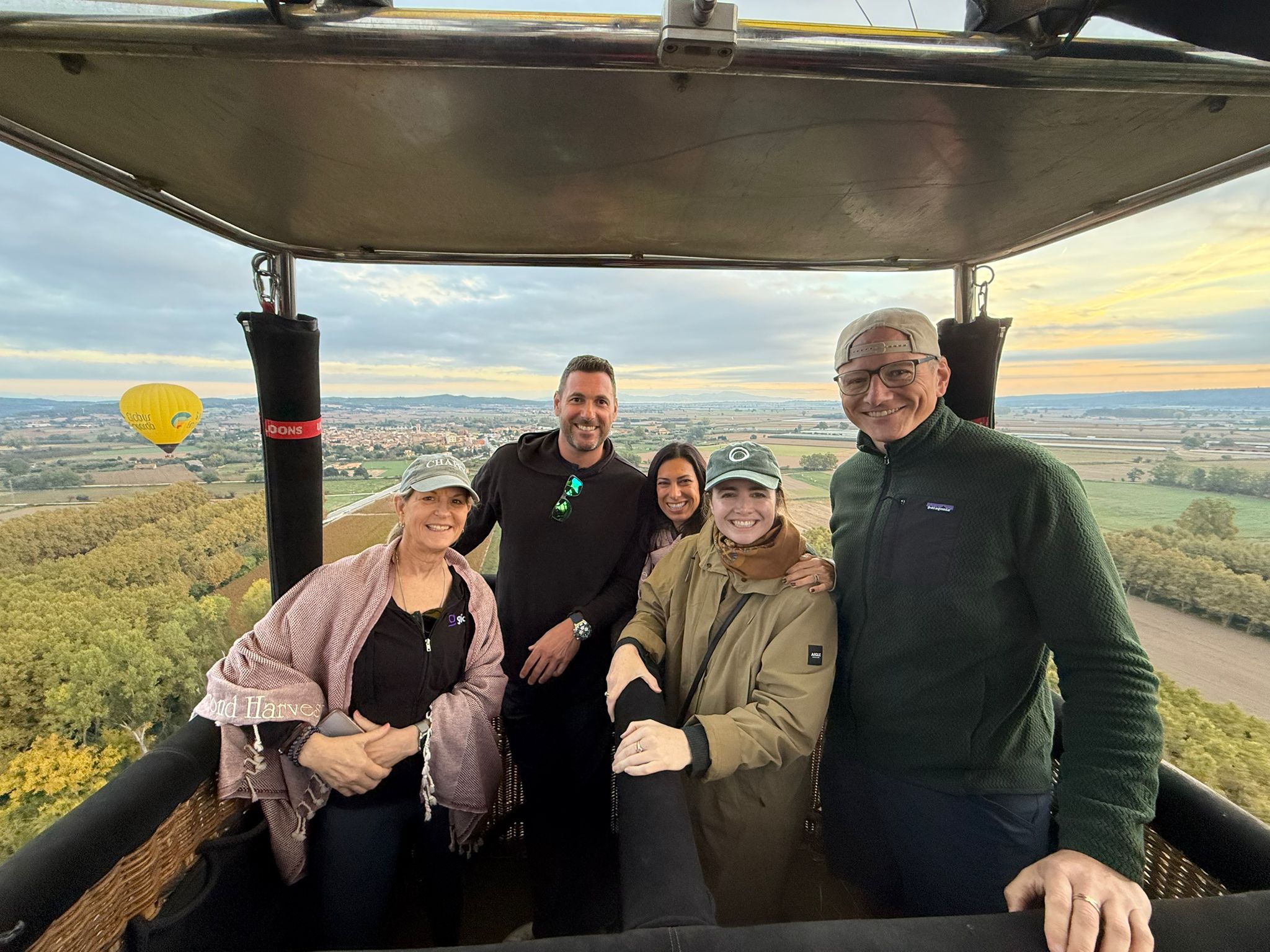
Second Harvest creates the space and structure for people to step out of their routines and look clearly at where their energy, time, and attention are going. Through small groups, honest conversations, and carefully chosen experiences, we help participants reconnect to what actually matters to them now, not who they used to be or who they think they should be. The outcome isn’t a dramatic reinvention or a list of goals. It’s clarity, steadiness, and a grounded sense of direction they can take back into their real life and act on immediately.