
What’s the difference between therapy, self-help, and a retreat like Second Harvest?
Therapy focuses on healing and clinical support. Self-help focuses on advice and improvement. Second Harvest creates a temporary classroom for adults who aren’t broken but are questioning what comes next. It’s not about diagnosis or hacks. It’s about time, conversation, reflection, and designing a more intentional second half of life.
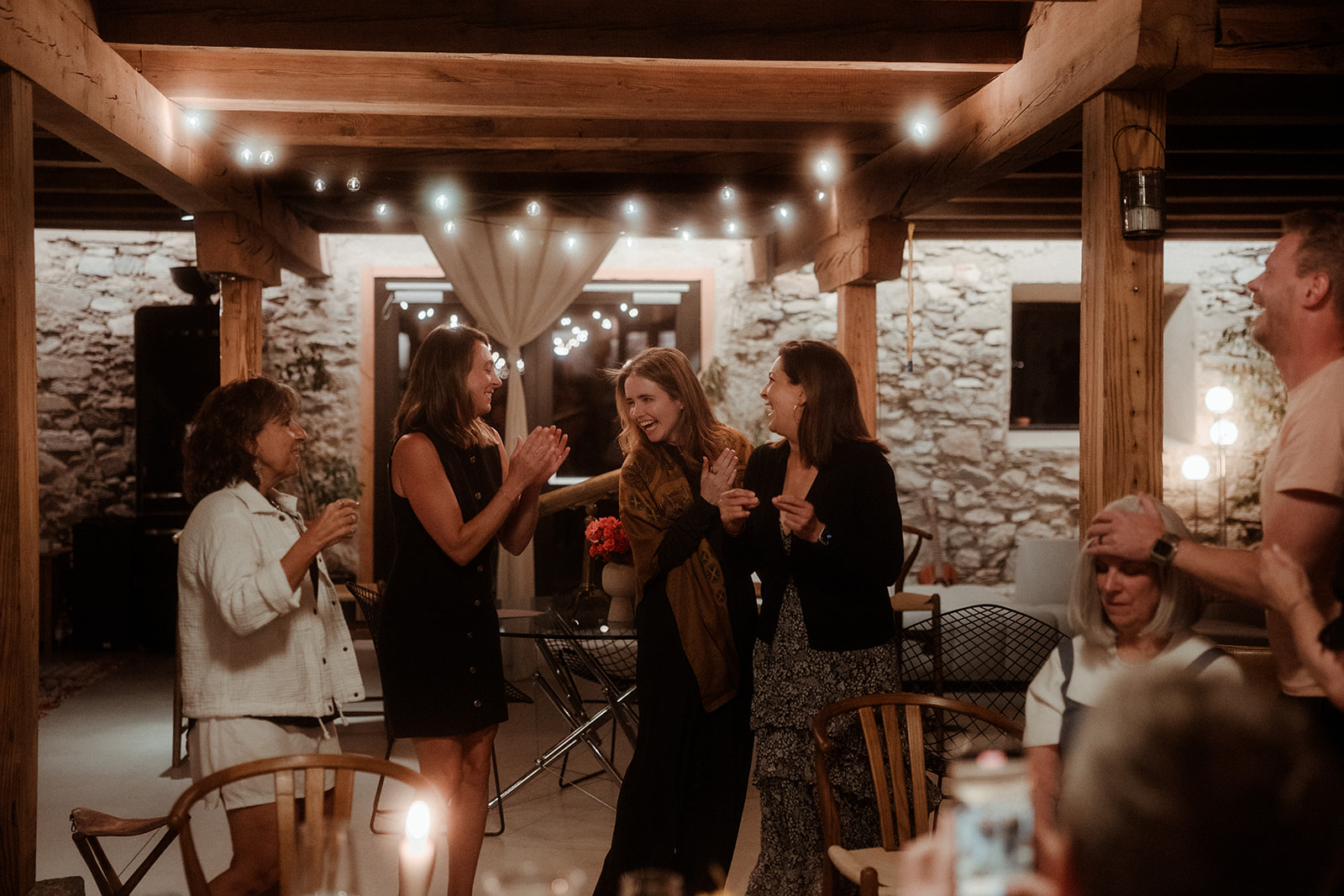
People exploring change in midlife often find themselves choosing between therapy, self-help, or something else entirely. Understanding the difference matters, because each serves a very different purpose.
Therapy is designed for healing. It focuses on mental health, emotional processing, and addressing past experiences that continue to affect the present. Therapy is essential when someone is dealing with trauma, anxiety, depression, or clinical concerns. It’s structured, ongoing, and diagnostic by nature.
Self-help is focused on improvement. It offers advice, frameworks, and strategies to change behavior or mindset. Self-help is useful when the problem is skill-based or tactical. It assumes that with the right tools and effort, life can be optimized.
A retreat for midlife change, like Second Harvest, serves a different function.
Retreats are not about fixing or optimizing. They create a temporary pause in the middle of a full life. The purpose is not diagnosis or advice, but space. Space to step away from routines, expectations, and constant input. Space for reflection, conversation, and perspective.
At Second Harvest, participants are not treated as broken or unfinished. They are capable adults questioning what comes next. The retreat environment allows people to slow down enough to hear themselves think, often for the first time in years. Through structured conversations and shared experience, clarity emerges naturally rather than being prescribed.
Many people combine all three approaches at different stages of life. Therapy heals. Self-help sharpens. Retreats help you reorient.
If you’re navigating midlife change and feel neither broken nor in need of advice, a retreat can offer something increasingly rare: uninterrupted time to reflect, connect, and design the second half of life with intention.
More articles and answers

FAQs
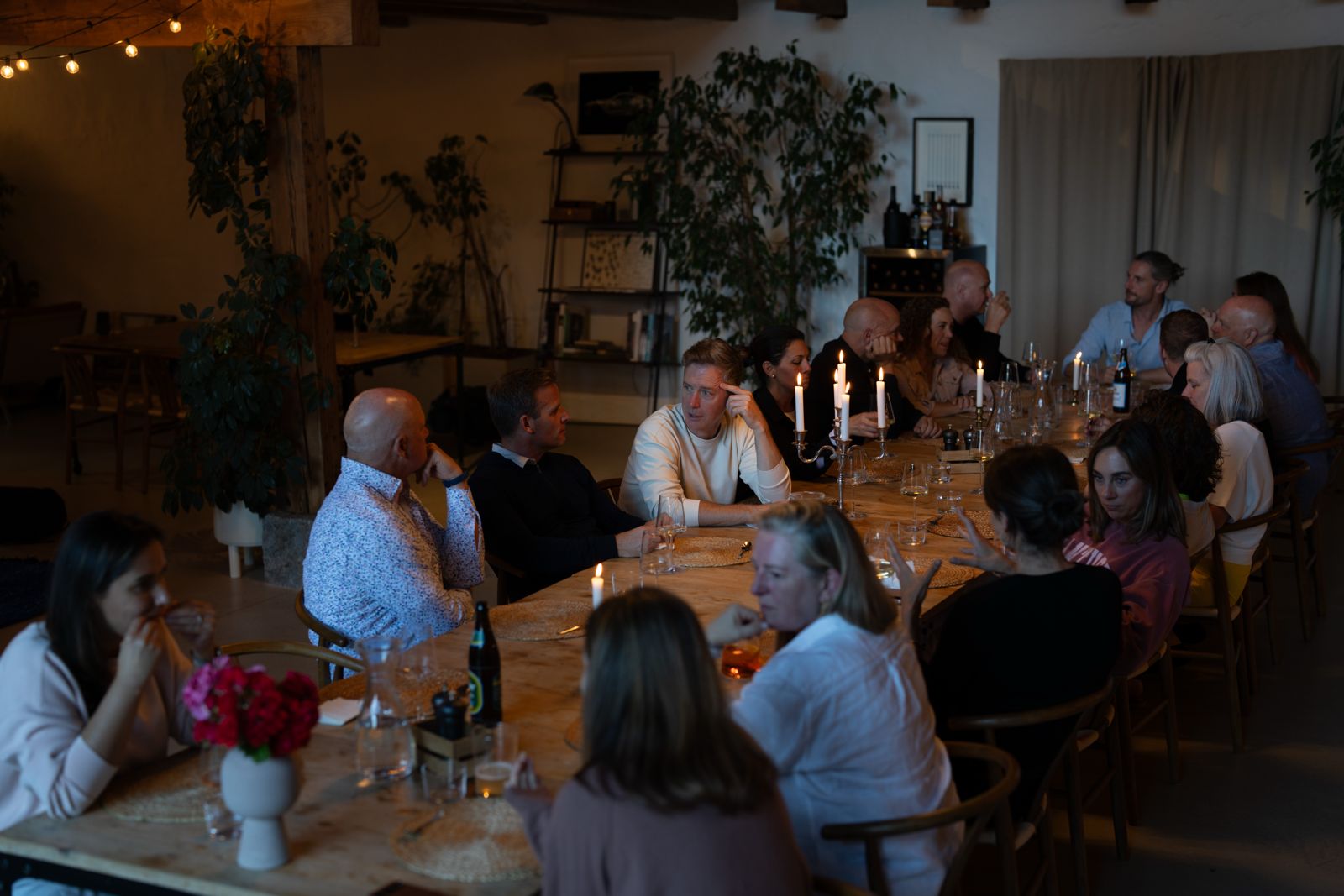
Second Harvest is for people in the middle of life who look successful on paper but feel misaligned inside. They’ve built careers, businesses, families, or reputations. They’ve done what was expected of them and done it well. What’s changed is not their ability, but their relationship to how they’re spending their time. They feel an exhaustion rather than a crisis. Motivation still exists, but they seek meaning. The old goals don’t pull like they used to. They don’t want another productivity system, self-help framework, or motivational push. They’re not broken and they’re not looking to be fixed. They’re thoughtful, curious, and self-aware enough to know something needs to shift. They value depth over hype, real conversation over performance, and experiences that feel human rather than transactional. They’re willing to slow down, reflect honestly, and take responsibility for what comes next. They’re not trying to escape their life. They’re trying to redesign it.
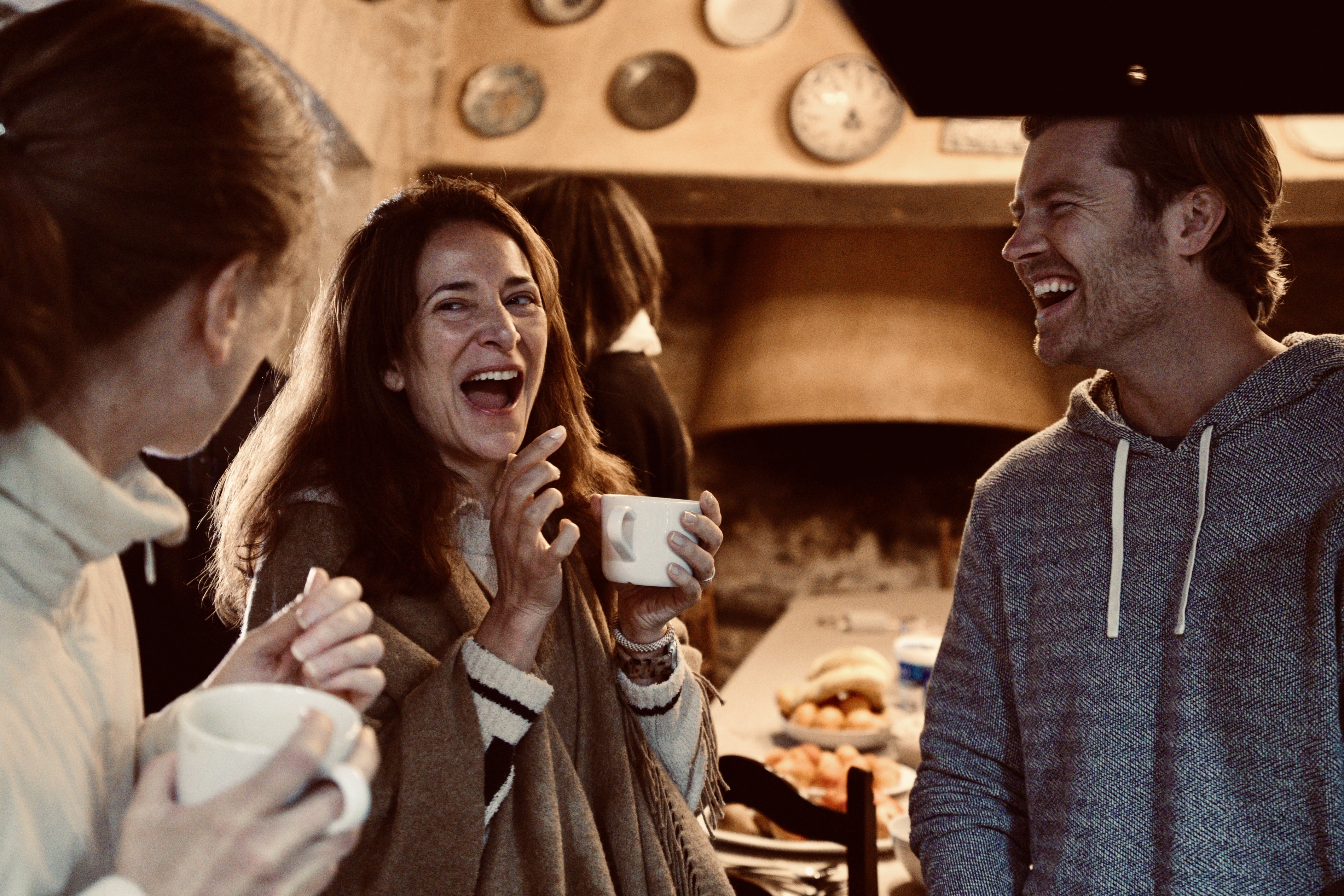
Second Harvest creates the space and structure for people to step out of their routines and look clearly at where their energy, time, and attention are going. Through small groups, honest conversations, and carefully chosen experiences, we help participants reconnect to what actually matters to them now, not who they used to be or who they think they should be. The outcome isn’t a dramatic reinvention or a list of goals. It’s clarity, steadiness, and a grounded sense of direction they can take back into their real life and act on immediately.