
Why does self-awareness sometimes make things harder, not easier?
Because once you see something clearly, you can’t unsee it. Self-awareness comes with responsibility. It may ask you to grieve old identities, roles, or expectations. This discomfort is not a sign of failure. It’s evidence that growth is real and irreversible.
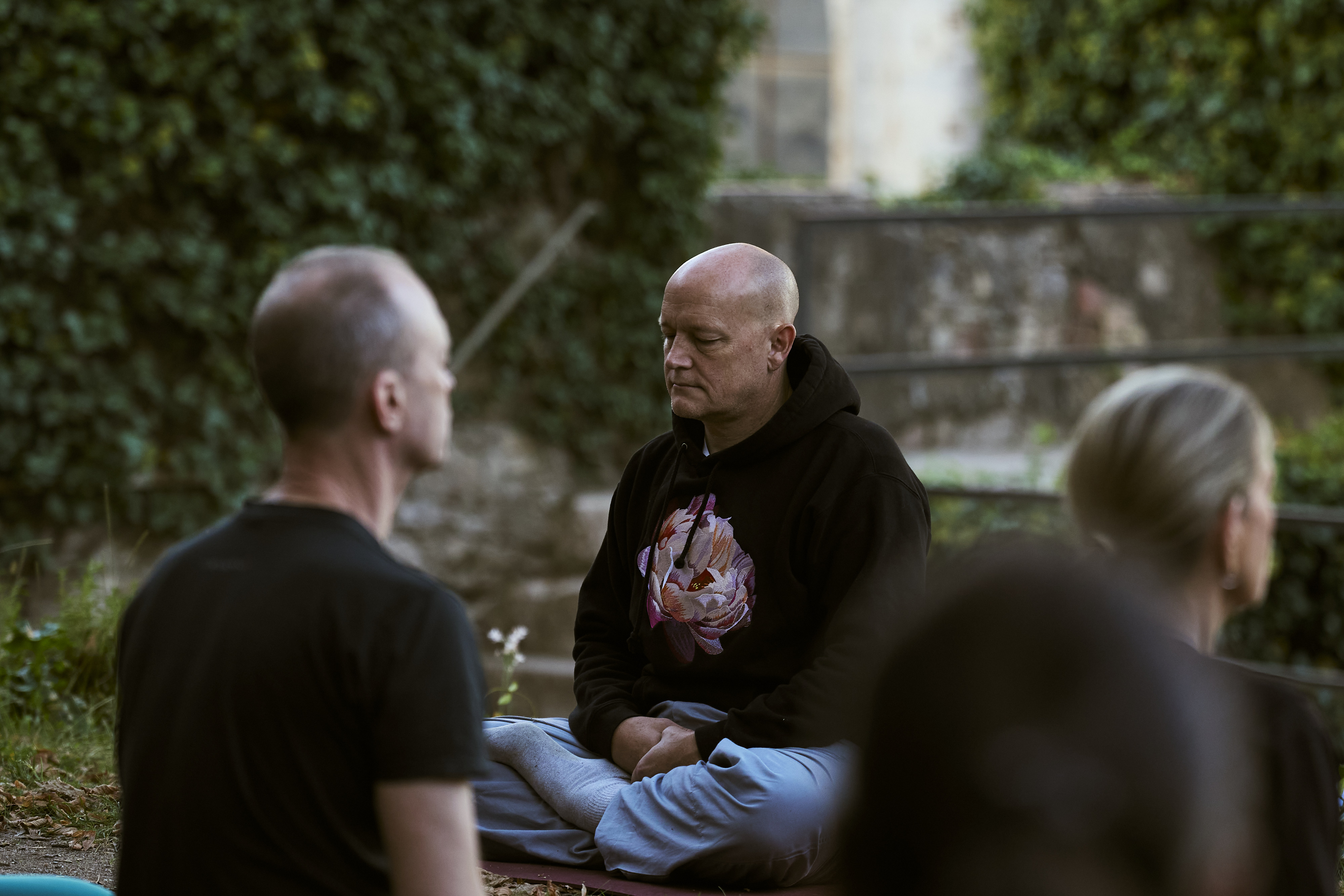
Self-awareness is often framed as the solution to personal growth. Become more aware, and things will improve. In midlife, many people discover the opposite happens first.
Awareness can make things feel harder.
This is because once you see something clearly, you can’t unsee it. You may recognize that a role no longer fits, that a relationship has changed, or that you’ve been living according to expectations you didn’t consciously choose. That clarity brings responsibility. Ignoring it becomes uncomfortable.
This discomfort isn’t a sign that self-awareness has failed. It’s evidence that it’s working.
Earlier in life, it’s possible to move quickly past misalignment by staying busy. Midlife slows that strategy down. When insight arrives, it often asks for integration, not action. Grief for old identities. Letting go of stories that once provided safety. Accepting that growth sometimes means disappointing others or revising who you thought you were.
That internal friction can feel heavier than ignorance ever did.
This is where retreats for midlife changes provide important support.
Therapy can help unpack patterns and emotions. Self-help often pushes for immediate behavior change. Retreats like Second Harvest create space for awareness to settle without demanding instant resolution. They allow people to sit with insight long enough for it to become embodied, rather than rushed into a decision.
In a retreat setting, self-awareness is shared rather than carried alone. Hearing others articulate similar realizations reduces isolation and normalizes the discomfort that comes with growth. The focus is not on fixing the feeling, but on understanding what it’s asking for.
If self-awareness feels harder right now, it’s often because you’re standing at the edge of a meaningful shift. Growth at this stage isn’t about adding more knowledge. It’s about giving yourself the time and support to live differently with what you already know.
More articles and answers
FAQs
Second Harvest is for people in the middle of life who look successful on paper but feel misaligned inside. They’ve built careers, businesses, families, or reputations. They’ve done what was expected of them and done it well. What’s changed is not their ability, but their relationship to how they’re spending their time. They feel an exhaustion rather than a crisis. Motivation still exists, but they seek meaning. The old goals don’t pull like they used to. They don’t want another productivity system, self-help framework, or motivational push. They’re not broken and they’re not looking to be fixed. They’re thoughtful, curious, and self-aware enough to know something needs to shift. They value depth over hype, real conversation over performance, and experiences that feel human rather than transactional. They’re willing to slow down, reflect honestly, and take responsibility for what comes next. They’re not trying to escape their life. They’re trying to redesign it.
Second Harvest creates the space and structure for people to step out of their routines and look clearly at where their energy, time, and attention are going. Through small groups, honest conversations, and carefully chosen experiences, we help participants reconnect to what actually matters to them now, not who they used to be or who they think they should be. The outcome isn’t a dramatic reinvention or a list of goals. It’s clarity, steadiness, and a grounded sense of direction they can take back into their real life and act on immediately.