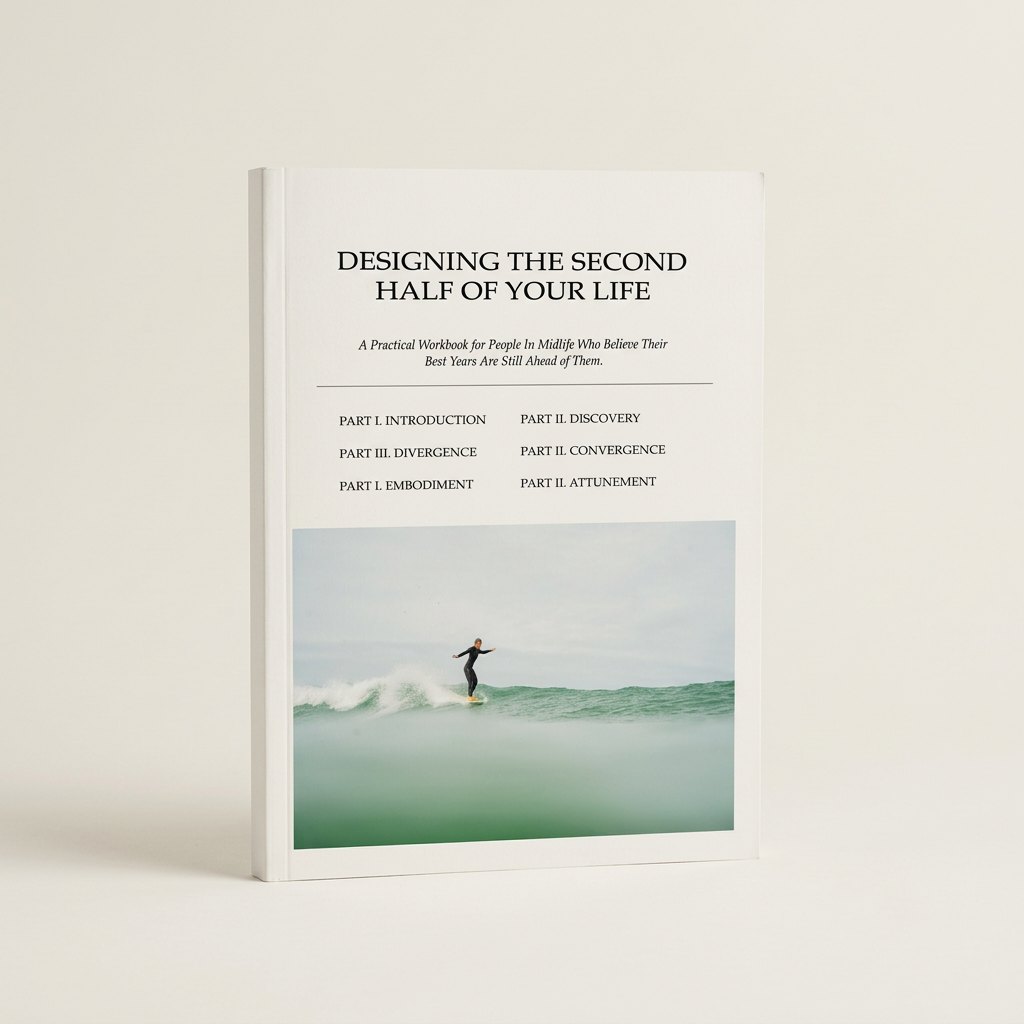
In the ashes of tragedy and midlife upheavel we rebuilt our lives around the dream of living fully and in alignment with our dreams. This is a practical workbook for people in midlife who believe their best years are still ahead of them. These are the exact same steps we took to rebuild our lives after tragedy and loss. You can do it too.

This workbook is a way to design the life you want using evidence-based techniques perfected at Stanford's Design School and used by millions of people around the world.
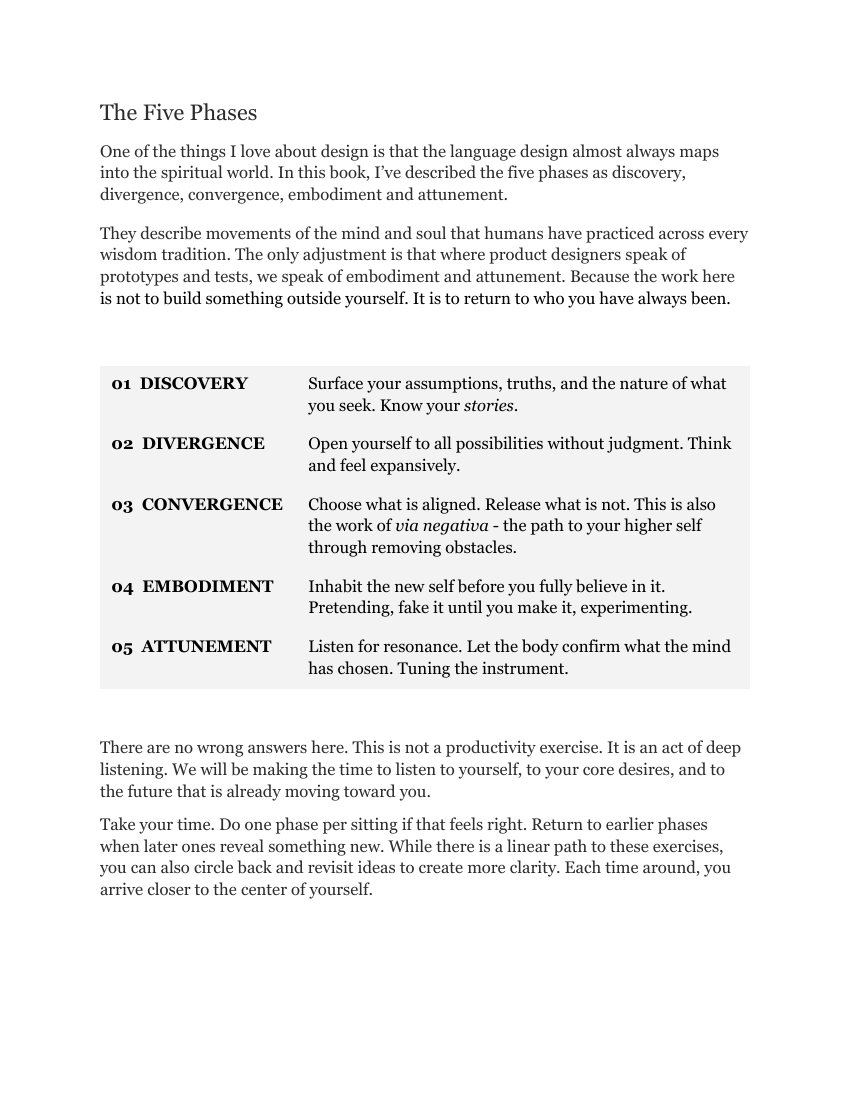
Richard’s studio used the design sprint on 700 projects to turn foggy ideas into real products. Here the same five phases point at the thing most worth designing: the life you’re here to live.
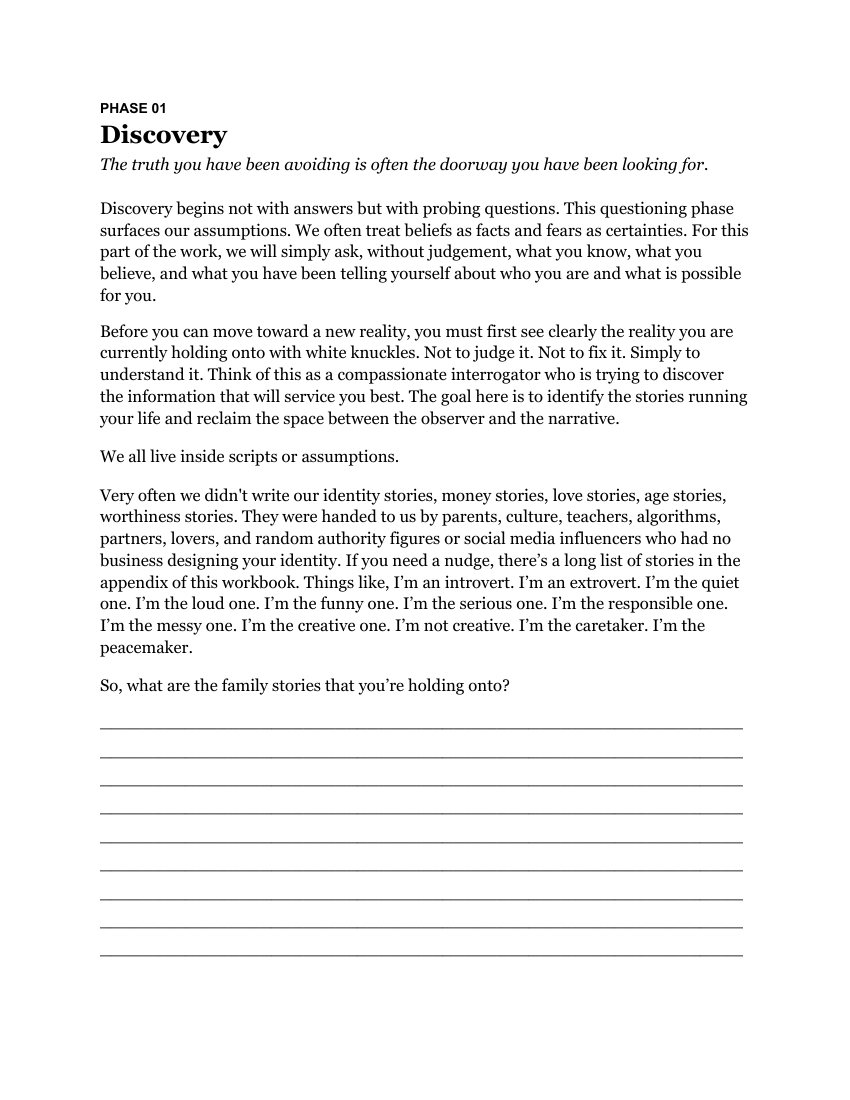
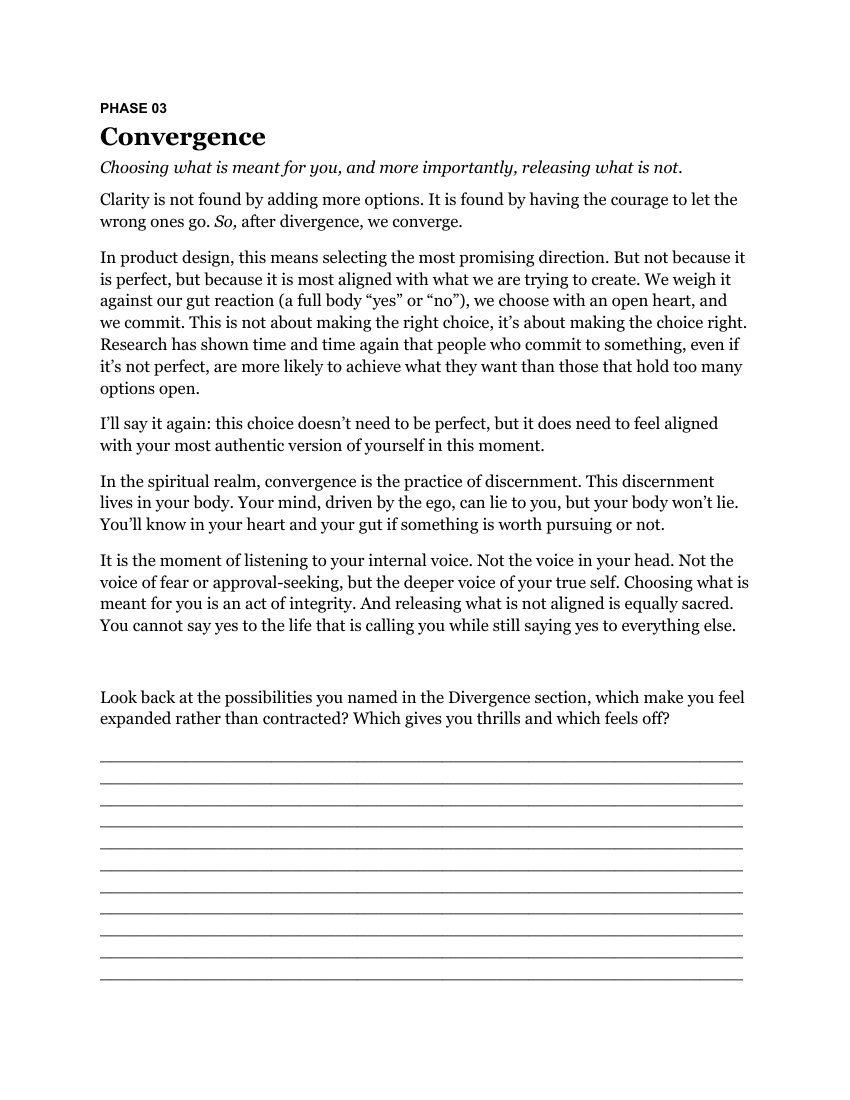
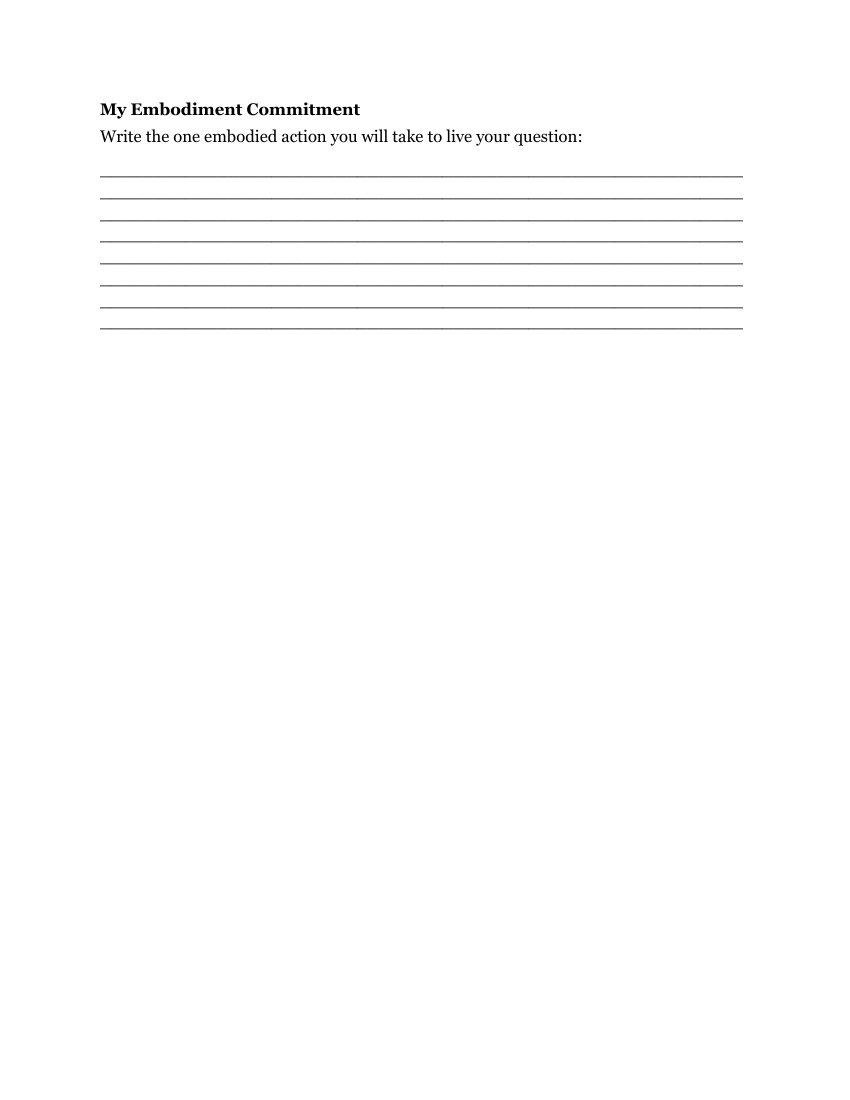
Real pages from the workbook: short readings, honest questions and room to write your answers.


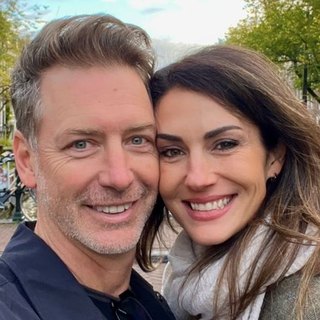
For decades we lived by the metrics of achievement: startups founded, books published, clients served. When I lost my wife to cancer and had to close a business soon after that, it stripped everything down to essentials. At the same time Devon was going through a divorce and the end of a high status career in venture capital. These were hard lessons, but we learned that we have to build something from love, not fear.
Our work is to create spaces where people can drop the masks and meet themselves again.
Our journey started as a question: what if the second half of life could be better than the first?
Richard, I can’t even begin to tell you how fast our life is changing since working with you. I’m just fucking blown away that I’ve tapped into a whole other stratosphere of life I never knew existed before reconnecting with you and Devon. I really want to thank you.
The biggest realization for me was stepping back and recognizing how long I’ve been stuck in this uncomfortable space, fully identifying with the unhelpful narrative. I’ve been perpetuating this heavy cloud of despair and ruin—completely at odds with the optimistic, adventurous, “can-do-anything” dreamer version of myself. I’m hyper-aware of this now. People around me are already noticing.
By working through the combination of the narratives and living in the questions, I’ve achieved an interesting new state of acceptance and curiosity. Instead of trying to optimize my way into a better self, I can instead pursue a felt-state (beginner’s mind) to build around openness, curiosity, presence, expression, humility, freedom from expectation, connection, etc. My freedom of movement seems to have increased. And, coincidentally or not, new doors appear to be opening. Super grateful, thank you!
It was a punctuation in time that was much needed, reminding me to be intentional. I appreciated the experimental mindset versus the goal-driven one. I found this approach much more forgiving, softer, and approachable. Framing it this way felt less like a daunting, scrutinizing task and more like a nudge in the self-love direction.
A digital PDF workbook you download right after checkout. Nothing ships. Print it or write in it on a tablet.
As long as you need. The workbook suggests one phase per sitting, so five sittings to go through it once, and it invites you to circle back whenever a later phase shows you something new.
No. It’s about the life you want to live, whatever that turns out to include. If it includes work of your own, The Midlife Solopreneur Workbook is the practical next step.
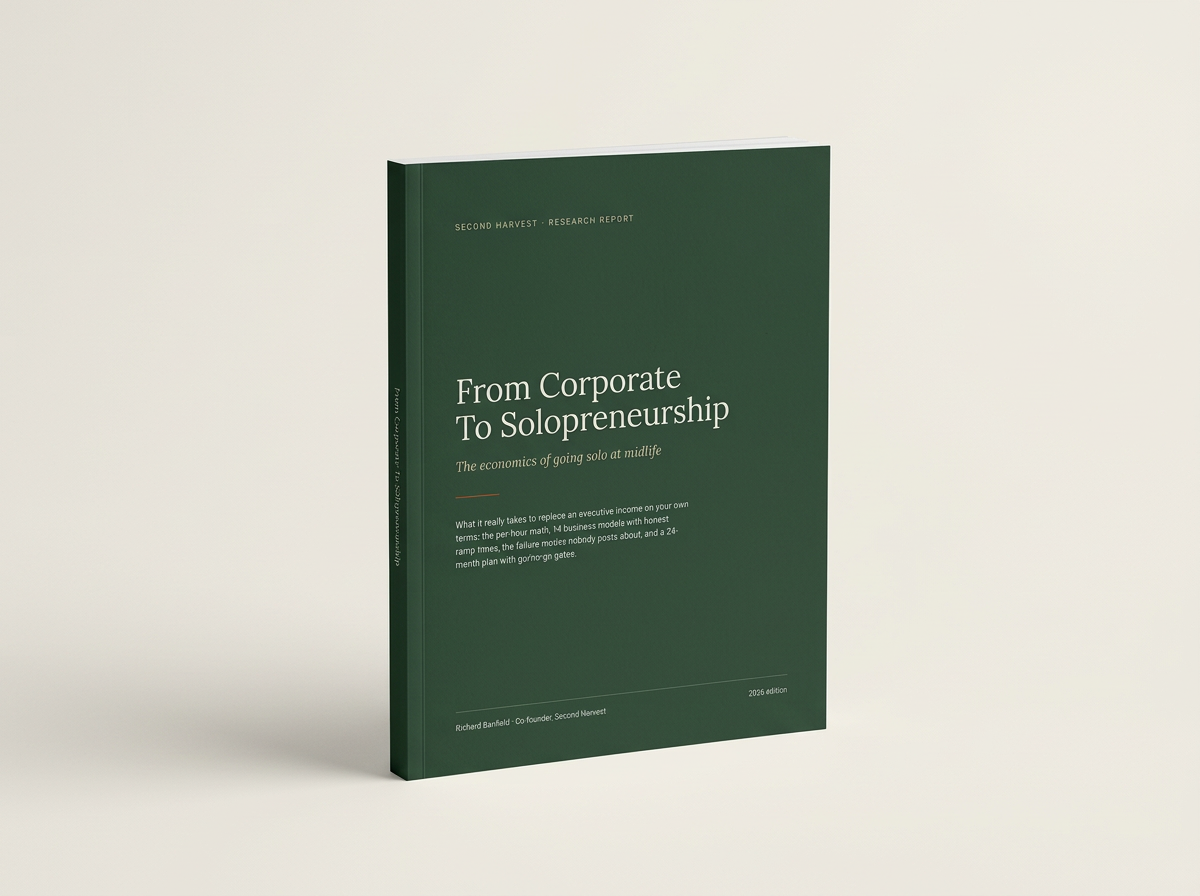
The report shows the math. The workbooks help you act on it: first decide what you want your life to hold, then turn your experience into an offer someone can say yes to.

The economics of going solo at midlife: 14 models, ramp times and a 24-month plan.
Look inside →
Five phases borrowed from the design sprint to work out what's yours, and commit to one action this week.
Look inside →
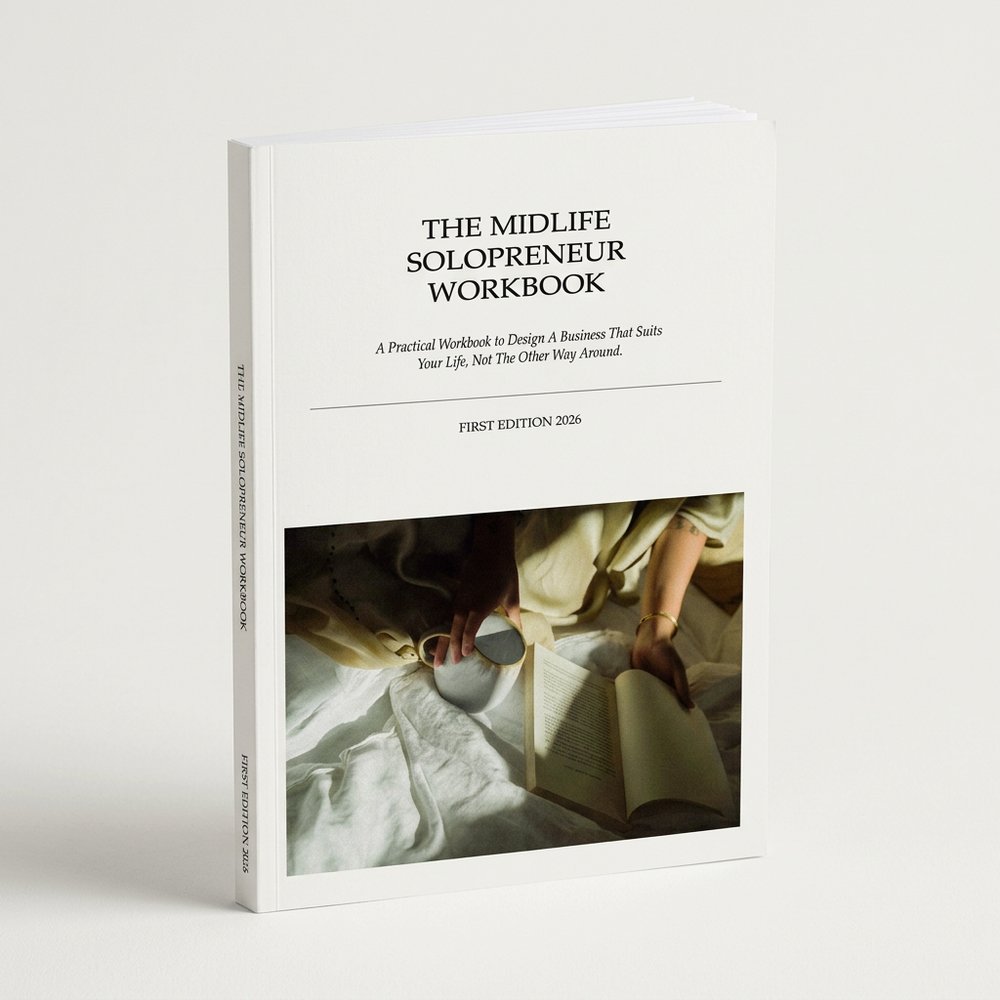
Find the skills you can sell, shape an offer, and plan a low-risk first experiment with real buyers.
Look inside →Spend a few sittings designing them on purpose.
Get the Workbook · $39