
You're the kind of person who likes to see progress but you haven't figured out what comes next. You've stalled.
Most accomplished people respond to tension in their life by doing more. That brute force approach postpones real progress. This is a pain I've felt directly. Having built and sold a half-dozen businesses, and advised over 600 more, I've seen this time and time again. Let's find the thing that's blocking your growth and build something that works for this phase of your life.
Book a 45-minute call with me to create immediate space and clarity.
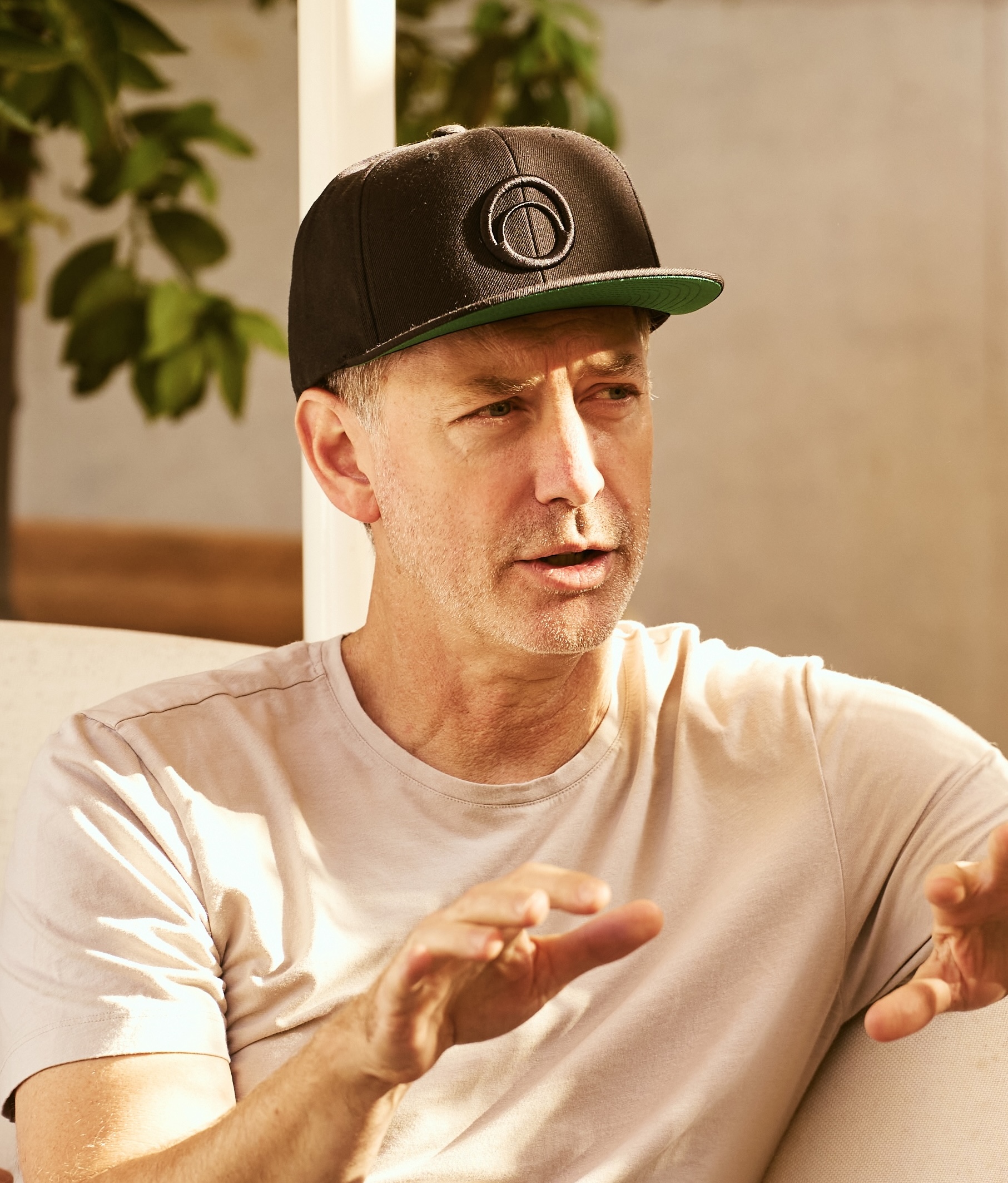
What comes next.
A focused, structured way to find out what the next chapter could look like for you.
What you get
The 1:1 call and a structured workbook. Based on 25 years of leadership experience, you'll get a sequence of questions that surface what is blocking your growth and deal with it head-on.
What it produces
Clarity on what steps to take to get your life design aligned with who you are now. The start of another season doesn't announce itself. Don't leave that to chance. Actively design your life.
What happens next
A 45-minute onboarding call with me, Richard. You bring the workbook; I bring the experience and curiosity. No pitch, no obligations. Afterwards, you decide if you want more.

From people who have done this work with me
You've the type of person who's used to getting stuff done.
Feel it again. But with purpose.
If the call doesn't leave you with something concrete to act on, tell us and we'll refund it. No questions.
45 minute call and workbook. You'll book your call on the next screen and the workbook will be emailed to you.
FAQs
It's a structured conversation to surface areas of opportunity for you. While there are elements of coaching, this will be a working session. The workbook does the thinking on paper; the call is 45 minutes with Richard to make sense of what surfaced. Where you go after that is up to you.
A guided sequence of questions that have been field-tested with hundreds of people going through big transformations. Most people work through it in a sitting or two. You'll get more from the call if you've done it first, but it's yours to keep either way.
You'll talk to Richard first. If needed, we can also find time with Devon for a follow up call. You'll choose a time on the next screen after you pay.
The opposite. The call is for people who don't have it figured out and are tired of pretending they do. Come with the workbook and an open question.
The "What Comes Next" call is the front door. Most continue with an ongoing call plan with me to achieve a spacific outcome. Some people will prefer the self-directed 72-Hour Reset, or join a Crop Circle peer group. A few select people will join one of our signature retreats or the Correspondents Club. No pressure either way.